
Death of the Pastor’s Wife: When Care Becomes Control
By Heleen Woest, MA, LPC
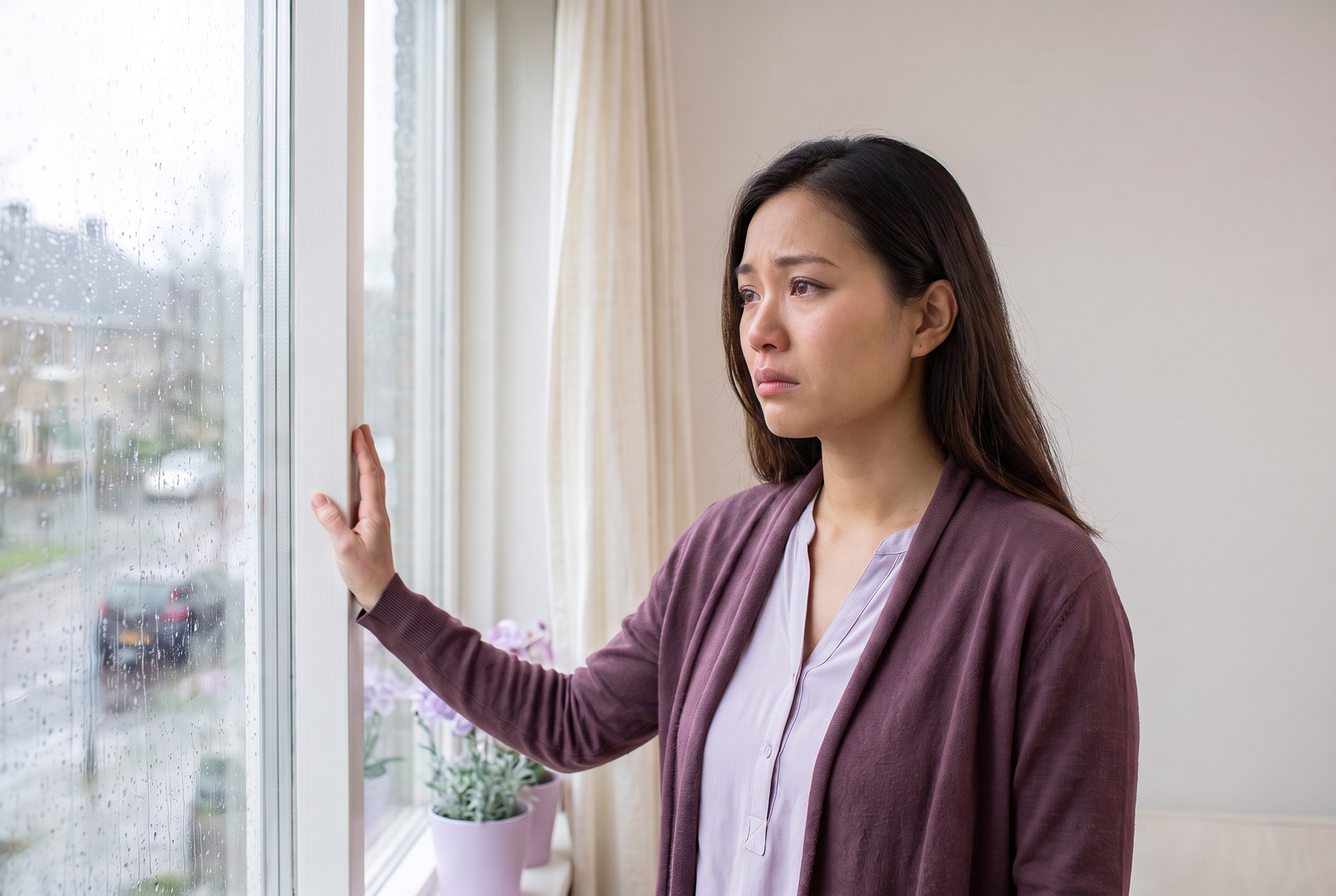
October is Domestic Violence Awareness Month.
“I’m only doing this because I care about you.” That sounds nice, until it means checking where you are, deciding who you can talk to, or making you afraid to say no.
Are they worried about you, or are they trying to control you? One useful question is whether you can disagree without getting punished for it.
Netflix’s Death of the Pastor’s Wife tells the story of Mica Miller’s life, marriage, and death. There has been plenty of speculation about the case. I want to talk about what we can actually establish, and about domestic abuse that doesn’t leave a bruise.
October is Domestic Violence Awareness Month, and the purple ribbon is a symbol of support for victims and survivors. This is a good time to learn what abuse can look like and what to do when someone tells us they’re afraid.
Before private practice, I interned at the Domestic Violence Resource Center in Beaverton. I still work with domestic abuse and coercive control in my trauma practice. I’ll also be talking about this on my podcast with Evanna Bradley-Tschirgi, DVRC’s Counseling Services Director.
Reader note: This article discusses domestic abuse and suicide without graphic details.
Who Was Mica Miller?

Mica was a singer and worship leader, a sister, and a friend. Netflix’s account describes a young woman who became deeply involved in her church community after her family moved to Myrtle Beach, South Carolina. Her family remembers her talent, faith, and warmth.
With so much attention on how Mica died, I don’t want to skip over who she was. Her family remembers someone who loved music and was deeply involved in her church.
The series includes old footage, journals, messages, and interviews with people who knew her. Those are useful sources, but an interviewee’s recollection or opinion is not the same as a fact established by an investigation or a court.
First, a Few Facts Worth Getting Straight
Mica died on April 27, 2024, at age 30. Her death was officially ruled a suicide. Online speculation does not change that finding.
On December 18, 2025, the U.S. Department of Justice announced an indictment charging her husband, John Paul Miller, with cyberstalking and making false statements to federal investigators. The indictment alleges a pattern of unwanted communications, tracking, interference with her daily life and finances, and other conduct.
These are allegations, not findings of guilt. Miller pleaded not guilty and has not been charged in connection with Mica’s death. A September 23, 2026 court update reported that the case had been continued to the January 2027 term of court. The trial has not been completed.
Family, friends, and former congregants also describe the marriage in the documentary. I’ll be clear about when I’m referring to their accounts and when I’m referring to official records.
Fighting Is Not the Same as Control

Couples disagree about money, parenting, and who was supposed to empty the dishwasher. Occasionally the dishwasher gets more airtime than it deserves. In my post All Couples Fight, Right?, I talk about how ordinary conflict differs from a relationship in which someone is afraid.
Disagreement alone is not domestic violence. Coercive control is a pattern of behavior that restricts another person’s freedom through intimidation, isolation, surveillance, pressure, or control of resources.
A partner may call repeated checking “worry,” isolation “protecting the relationship,” or control of money “being responsible.” What matters is the pattern and whether the other person can make choices without fear of punishment or retaliation.
Can they see friends? Access money and medical care? Disagree? Say no to sex? Ask for privacy? Leave a conversation or relationship without being threatened?
Sharing a bank account or agreeing to share your location is not automatically abusive. The question is whether you both agree to it and whether you can change your mind without being threatened or punished.
When Faith Is Used to Justify Abuse
Spiritual abuse happens when religious or spiritual beliefs are used to manipulate, frighten, demean, or control someone. It can include using scripture to excuse abuse, threatening divine punishment, or telling a person that seeking safety means betraying their faith.
In Death of the Pastor’s Wife, interviewees describe religious authority being used to control Mica’s marriage and daily life. Those are their accounts. They are not a reason to assume religious faith itself is the problem.
Mandy Truong and Nafiseh Ghafournia looked at this in a 2024 research review for the Australian Institute of Family Studies. Faith and a religious community can help someone cope and find support. Religious teachings can also be misused to pressure someone to stay in an unsafe relationship.
The review describes isolation, anxiety, depression, guilt, and changes in how people experience their faith. Much of the research is based on interviews, and studies define spiritual abuse differently. That makes it hard to give one reliable percentage for how often it happens.
I spent many years in lay counseling before becoming a licensed clinician. I know that faith and church relationships can be important to someone. Getting outside help should not require them to give up their faith.
Forgiving someone does not mean you have to stay with them or allow the same behavior to continue. A marriage or a church’s reputation is not a reason to ignore someone’s safety. Whether a person keeps practicing their faith, changes how they practice it, or leaves religion is up to them.
What About the Pastor’s Role?
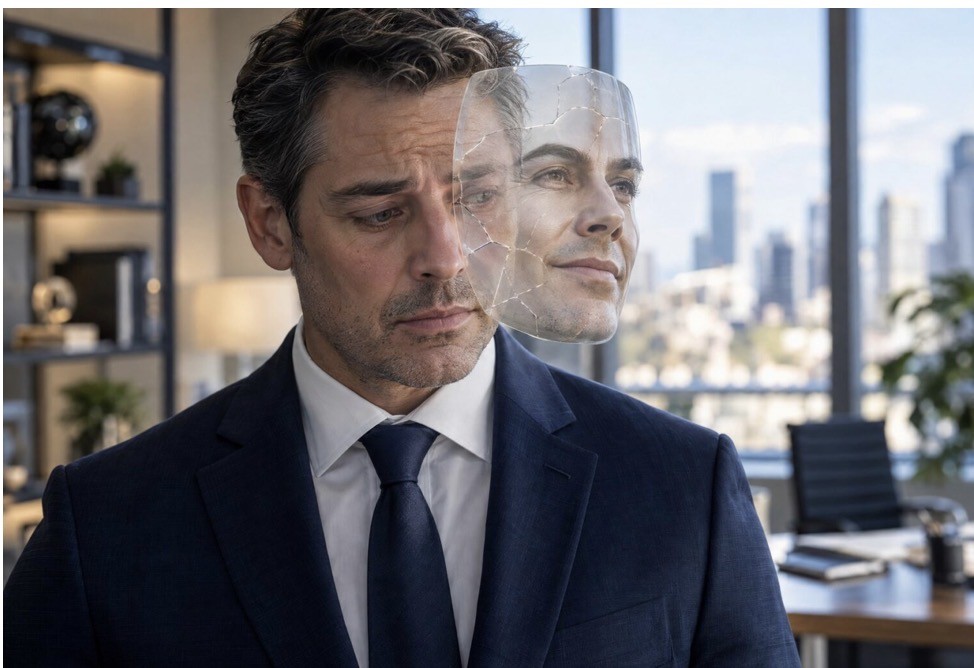
According to Netflix’s background account, Mica first met John-Paul as her pastor when she was 13. She later worked as his assistant, and they married in 2017. Family members in the documentary question how that pastor and mentor relationship became a romantic one.
A pastor has influence, especially over a young person who trusts them. That history deserves attention. But it does not establish that sexual abuse occurred when Mica was 13, and an age gap alone is not proof of grooming.
RAINN describes grooming as deliberate trust-building for sexual exploitation, often involving secrecy, boundary violations, isolation, or misuse of authority and dependence. It can also involve cultivating trust in the wider community so concerns are harder to hear.
It can be hard to question someone the community respects. But pastors, employers, mentors, and clinicians can cause harm too. People in those positions are responsible for maintaining boundaries with those who trust or depend on them.
We also don’t need to diagnose someone from a documentary to take concerning behavior seriously. We can ask what they did, whether someone was afraid, and whether they could say no.
I explain the difference in The Difference Between a Narcissist and a Regular Jerk. Selfish behavior, narcissistic traits, and NPD are not interchangeable. I’m linking that post for background, not to diagnose anyone in this story.
Can You Say No to Your Spouse?
Sexual coercion is not limited to physical force. Pressure, guilt, intimidation, threats, or retaliation can interfere with a person’s ability to choose freely. Being married does not remove the need for consent.
The documentary includes recorded sermons presenting sex as a wife’s obligation. That message concerns me because it suggests a spouse is owed sex. It does not, by itself, prove that a particular crime happened in private.
You can say no to sex, including to your spouse. If saying no leads to threats or punishment, or you agree because you’re afraid, that is a serious concern about consent.
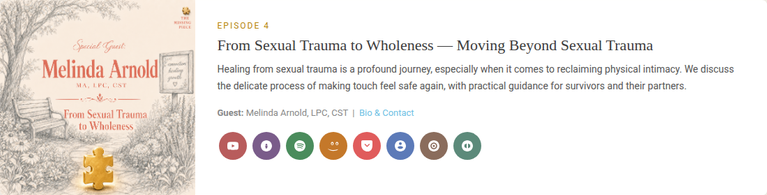
Melinda Arnold, LPC, CST, and I talk about spousal rape, sexual coercion, and healing after sexual trauma in our episode of The Missing Piece. If you would like to hear that conversation, watch From Sexual Trauma to Wholeness. The discussion of consent within marriage begins around 11 minutes into the episode.
Control can also involve keeping someone from working, withholding money they need, or interfering with medication and health care. These are examples of abuse to watch for, not additional claims about what happened to Mica.
A Diagnosis Does Not Mean Someone Is Making It Up
A person can have depression, a trauma history, another mental-health condition, or a history of crisis and still be experiencing abuse. Needing treatment does not mean their concerns should be dismissed.
The National Center on Domestic Violence, Trauma, and Mental Health describes abusive partners using someone’s diagnosis against them or interfering with their treatment. Clinicians need to ask about that possibility rather than assume it is happening in every case.
The research on nonphysical abuse is worth paying attention to. Susanne Lohmann and colleagues reviewed 68 observational studies and combined results from 45 of them. People exposed to more coercive control tended to report more PTSD and depression symptoms. The combined studies found a moderate association.
A separate review led by Sarah White included 201 studies and more than 250,000 women. It found links between intimate partner violence and depression, PTSD, and suicidal thoughts or behavior.
These studies cannot tell us why Mica died. They look at groups of people and do not prove that abuse caused a particular person’s death. For clinicians, they are a reason to ask about abuse and safety when someone comes in with mental-health symptoms.
A diagnosis may help us plan treatment. It should not stop us from asking what is happening at home.
Why Leaving Can Be So Difficult
“Why didn’t she just leave?” sounds simple until you consider money, housing, children, pets, work, and what might happen if she does. Someone whose whole community is connected to the relationship may also worry about losing almost everyone they know.
In All Couples Fight, Right?, I wrote about my own abusive relationship as a young adult. I remember the shame and thinking that if I could figure out what I was doing wrong, I could fix it. That is part of why I’m careful about telling someone else what they should have done.
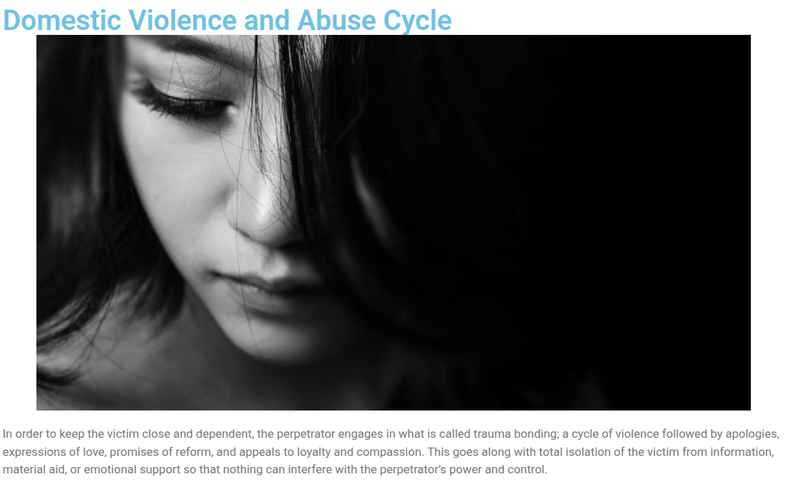
Someone may still love their partner and believe the apologies and promises. Things may also be calm for a while. I wrote about that in Domestic Violence and Abuse Cycle, including why someone might keep hoping things will change.
Not every abusive relationship follows that cycle. Someone can seem pleasant while still controlling the money, monitoring a phone, or limiting contact with friends.
Leaving can increase danger in some abusive relationships, so “just leave tonight” is not always safe advice. A domestic-violence advocate can help someone plan for their own situation, whether they are staying, preparing to leave, or have already left.
If you are supporting someone, stay in touch and listen. Don’t make your help depend on whether they follow your advice. They may already be dealing with a partner who tells them what to do.
Why Couples Counseling Can Make Things Worse
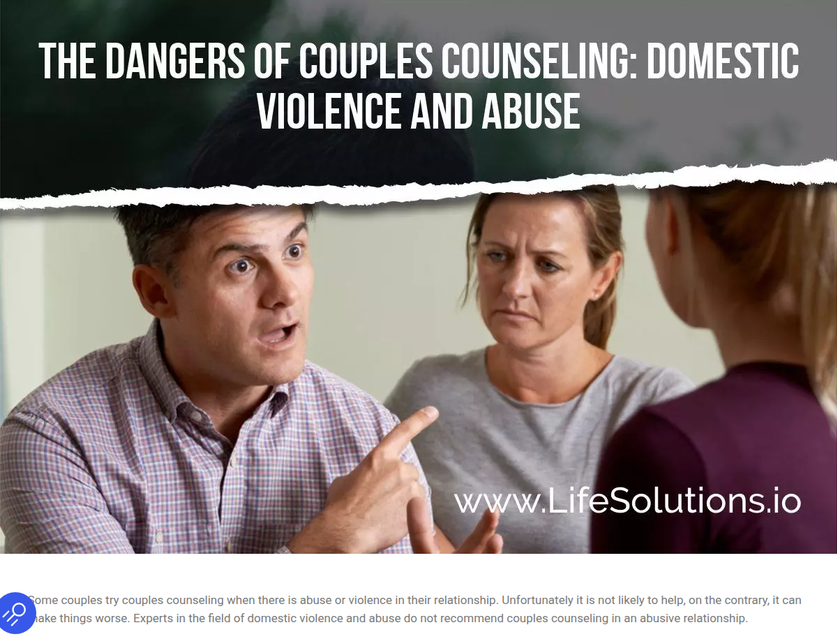
In my earlier post on Avoiding Couples Counseling When There Is Abuse or Violence, I included questions clients ask me when I raise this concern. One was, “We both have issues, why should we not see a couple’s therapist?”
I wrote:
All couples argue, disagree, and face difficulties, but it does not give anybody an excuse to become violent or abusive.
Both people may have things to work on. That does not make them both responsible for one person’s abusive behavior.
When coercive control is present, joint sessions may not be safe. Someone may be unable to speak freely, or information shared in the room may be used against them afterward. A therapist can also mistake an unequal power situation for a mutual communication problem.
The National Domestic Violence Hotline does not encourage couples counseling in abusive relationships. Start with confidential support from an advocate or a clinician trained to assess abuse. The approach that helps a couple communicate better may be unsafe when one partner is controlling or frightening the other.
What Is Happening With “Mica’s Law”?
The documentary follows the family’s advocacy for legislation often called “Mica’s Law.” South Carolina S. 702 proposes criminalizing coercive control and expanding recognition of nonphysical abuse. As of October 23, 2026, the official legislative record shows it remains in the Senate. It is a proposal, not an enacted law.
The laws and available protections differ from state to state. Being married does not make all stalking legal, and states do not all handle psychological abuse in the same way.
People do not have to wait for a new law, or for a visible injury, to ask for help. An advocate can help them understand their options under the laws where they live.
Coming Soon: Talking With DVRC’s Counseling Services Director
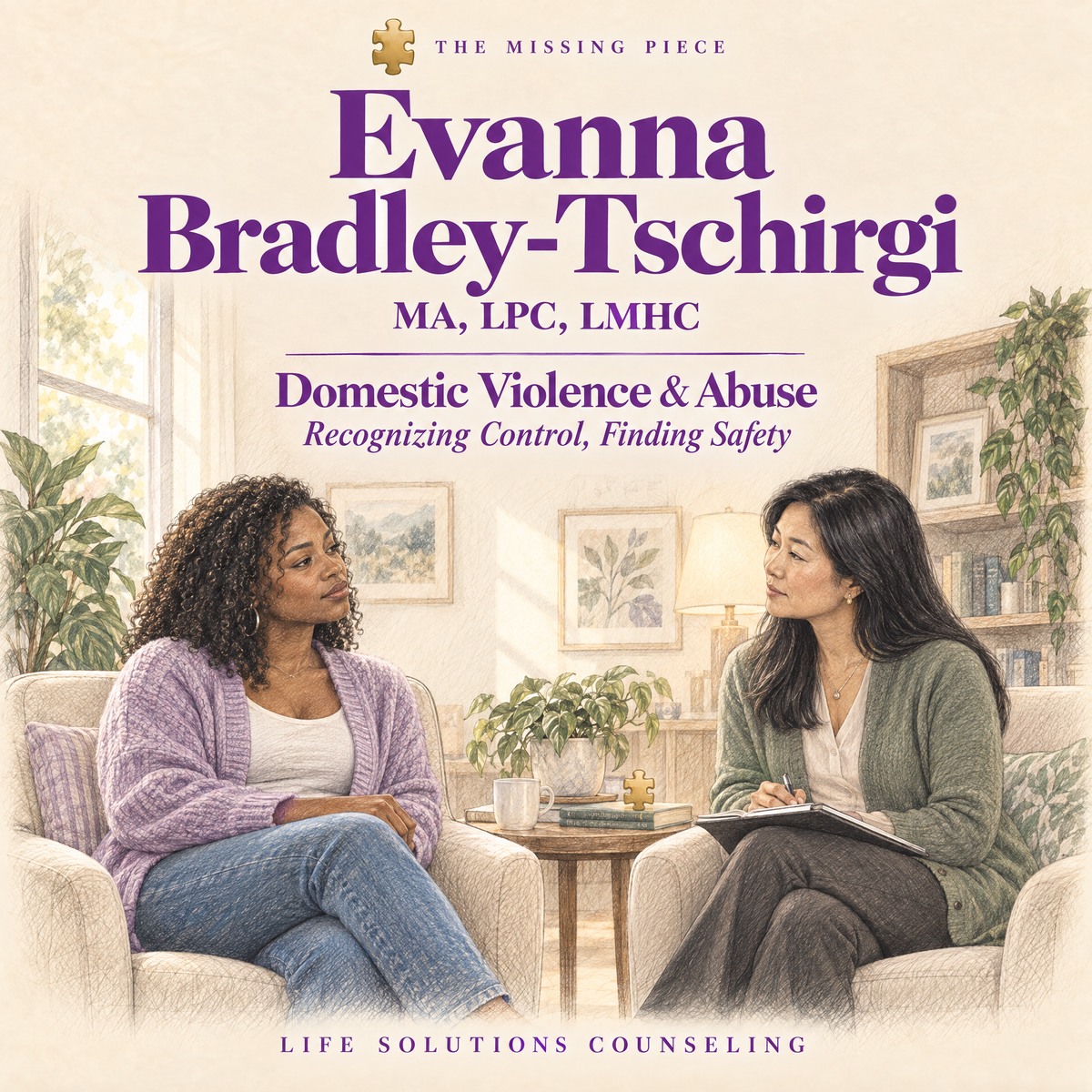
My upcoming podcast conversation is with Evanna Bradley-Tschirgi, Counseling Services Director at the Domestic Violence Resource Center, where I interned before private practice.
DVRC serves survivors in Beaverton and the wider Washington County community. Its services include counseling, support groups, advocacy, and assistance with protective orders, alongside crisis support.
We’ll talk about recognizing control, what makes leaving difficult, and how to help someone without pressuring them. You’ll find the episode on my podcast page when it is available.
What Can You Do to Help?

If someone tells you they are afraid, you do not have to solve everything in one conversation. Listen. Ask what would help. Offer practical support, such as a safe way to make a call or get to an appointment, if you can do so without increasing risk. Do not confront the other person on their behalf without considering safety.
If any of this sounds familiar, you can talk to an advocate even if you’re unsure whether what’s happening counts as abuse. You do not need an injury or a police report to start that conversation.
The support numbers below are available beyond October too. Keep them somewhere safe, or share them in a way that will not put someone at risk.
Support and Safety Resources
Immediate danger or a medical emergency: Call 911. The crisis lines below provide support, but they do not replace emergency dispatch.
Domestic-violence support
- Washington County and the Portland metro area: DVRC’s 24-hour domestic-violence crisis line is 503-469-8620.
- U.S. National Domestic Violence Hotline: Call 800-799-SAFE (7233), text START to 88788, or use TheHotline.org.
Mental-health crisis support by county
- Washington County, Oregon: 503-291-9111, available 24/7.
- Multnomah County, Oregon: 503-988-4888, available 24/7.
- Clackamas County, Oregon: 503-655-8585, available 24/7.
- Clark County, Washington: 360-696-9560 or 800-626-8137, as listed by Multnomah County’s crisis-services directory.
For suicidal thoughts or an emotional crisis anywhere in the U.S., call or text 988, or use the 988 Lifeline.
These county numbers are behavioral-health crisis lines, not dedicated domestic-violence hotlines. For help with abuse or a safety plan, use DVRC or the National Domestic Violence Hotline.
Internet use and devices can be monitored. If possible, seek support through a device and contact method that are safer for you. Clearing browsing history does not guarantee privacy. An advocate can help you consider digital safety alongside other needs.
This article is educational and does not diagnose anyone, determine legal responsibility, or replace individualized clinical care or safety planning. Case information was checked on October 23, 2026.
References and Sources
The Documentary and Case Records
- Netflix Tudum, August 26, 2026: A New Documentary Series Examines the Abuse Mica Miller Endured Before Her Death. Documentary background, family accounts, and the sources used by the filmmakers.
- Netflix Tudum, August 26, 2026: Death of the Pastor’s Wife: Where the Mica Miller Case Stands Now. Attributed participant accounts and legislative advocacy. Its trial timing has been superseded by the September report below.
- U.S. Department of Justice, December 18, 2025: Myrtle Beach pastor indicted for cyberstalking wife before her death. The announced charges, allegations, and presumption of innocence.
- ABC News 4/WPDE, September 23, 2026: Trial delayed for JP Miller, pastor at center of Netflix docuseries about Mica Miller. The latest verified report of a continuance to the January 2027 term of court and the official suicide ruling.
- South Carolina General Assembly: S. 702, Criminal Coercive Control. Official proposed bill text and legislative status, checked October 23, 2026.
Research and Clinical Guidance
- Lohmann, Cowlishaw, Ney, O’Donnell, and Felmingham: The Trauma and Mental Health Impacts of Coercive Control: A Systematic Review and Meta-Analysis, Trauma, Violence, & Abuse, first published online in 2023 and included in the 2024 volume. Associations with PTSD and depression, with observational-study limitations.
- White and colleagues: Global Prevalence and Mental Health Outcomes of Intimate Partner Violence Among Women: A Systematic Review and Meta-Analysis, Trauma, Violence, & Abuse, first published online in 2023 and included in the 2024 volume. The review of 201 studies on intimate partner violence and mental-health outcomes.
- Truong and Ghafournia, Australian Institute of Family Studies, 2024: Understanding spiritual and religious abuse in the context of intimate partner violence. Evidence synthesis on faith, spiritual abuse, and survivor-centered support. © Commonwealth of Australia.
- WomensLaw, updated July 23, 2025: Spiritual Abuse. Definitions, examples, barriers to leaving, and support options.
- RAINN, updated May 31, 2026: Get the Facts About Grooming. Trust-building, authority, boundaries, and the distinction between an age gap and exploitation.
- National Center on Domestic Violence, Trauma, and Mental Health: Coercion Related to Mental Health and Substance Use in the Context of Intimate Partner Violence. How stigma and treatment interference may be used as tools of control.
- National Domestic Violence Hotline: Understand Relationship Abuse and Types of Abuse. Power and control, psychological abuse, economic abuse, and sexual coercion.
- National Domestic Violence Hotline: Should I Go to Couples Therapy With My Abusive Partner?. Risks of joint counseling when abuse and unequal power are present.
- WomensLaw: Safety Planning. Individualized planning while staying, preparing to leave, and after separation.
- World Health Organization, 2023: Preventing suicide: a resource for media professionals. Guidance against sensationalism, graphic details, and simplistic explanations of suicide.
Awareness, Local Support, and Earlier Life Solutions Posts
- National Resource Center on Domestic Violence: DVAM 2026: With Survivors, Always. National Domestic Violence Awareness Month campaign and survivor-support information.
- Domestic Violence Resource Center: Domestic Violence Awareness Month 2026 and Staff directory. Local awareness, crisis support, and confirmation of Evanna Bradley-Tschirgi’s title as Counseling Services Director.
- Washington County Behavioral Health: Crisis Line. The county’s 24-hour crisis contact.
- Multnomah County: Behavioral Health Crisis Services. The 24-hour county line and listed Clark County crisis contacts.
- Clackamas County: Mental Health Services. The county’s 24-hour Crisis and Support Line.
- Washington County Victim Services: Resources & Links. DVRC counseling, groups, advocacy, protective-order assistance, and crisis contacts.
- National Domestic Violence Hotline: Support by phone, text, or chat. Current national contact details and digital-safety reminders.
- 988 Suicide & Crisis Lifeline: Crisis support. U.S. call, text, and chat options.
- Heleen Woest, Life Solutions Counseling: Domestic Violence and Abuse Cycle and Avoid Couples Counseling If There Is Abuse or Violence. Earlier discussion of abusive patterns and the source of the author quotation above.
- Heleen Woest, Life Solutions Counseling: All Couples Fight, Right? [Healthy vs Unhealthy Relationships]. Healthy conflict, fear and control, and the author’s previously published personal experience.
- The Missing Piece, Episode 4: From Sexual Trauma to Wholeness, with Melinda Arnold, LPC, CST. The conversation about spousal rape, consent within marriage, and recovery after sexual trauma.
- Life Solutions Counseling: About Heleen. Published professional background, including earlier lay counseling.
- Heleen Woest, Life Solutions Counseling: The Difference Between a Narcissist and a Regular Jerk. The current title of the earlier NPD post, explaining the difference between traits, harmful behavior, and a diagnosis.
Image Credits
The rain-window hero, music-studio image, supportive-conversation image, and purple ribbon icon are original AI-generated illustrations created for Life Solutions Counseling using Manus. They do not depict Mica Miller, real clients, or documented events. No Netflix promotional artwork or uncleared personal photographs are reproduced in this version.
Related-post and podcast-listing screenshots were captured from Life Solutions Counseling’s public pages on October 23, 2026, at the author’s request. The narcissism header image and the sexual-wholeness episode artwork were supplied by the author for these linked previews. The episode artwork is an illustration, not a still of the two speakers. Existing third-party photo credits and licenses, where applicable, remain with the original assets; a screenshot does not create a new reuse license.
The Evanna Bradley-Tschirgi episode preview uses the original square artwork from Life Solutions Counseling’s WordPress media library, without the podcast-page description panel.